


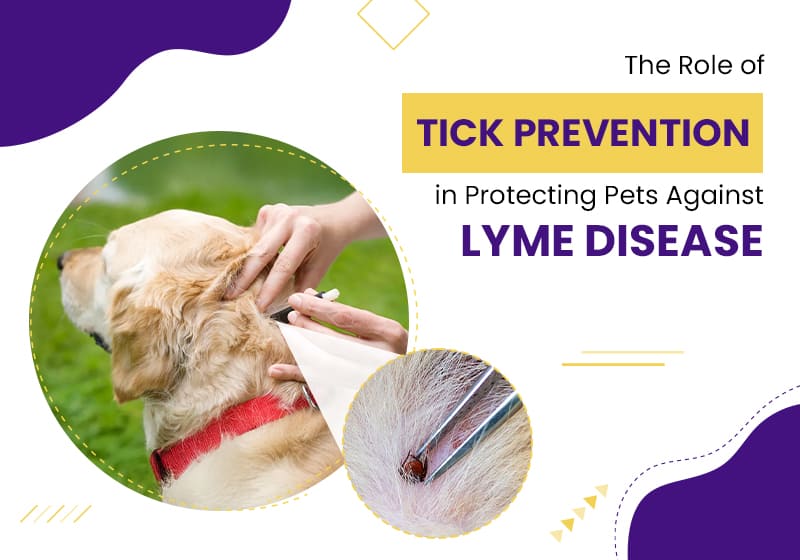
If you have heard repeatedly from your veterinarian and fellow pet owners about the dangers of Lyme disease in pets, their concern is well-founded. Tick infestations, when left untreated, can jeopardize your canine or feline’s health by transmitting various tick-borne diseases, including Lyme disease. So, what harm can this disease cause, and what can you do to keep your pet safe? Let’s find out.
Keep reading this blog to learn about Lyme disease in dogs and cats, its symptoms, diagnosis & treatment, and ways to prevent this dangerous disease in your pet.
Lyme disease: What is it?
Lyme disease is caused by the bacteria Borrelia burgdorferi. It is transmitted to pets (dogs and cats) and humans through the bite of an infected tick. The tick itself does not cause the disease; it transmits the bacteria that cause it by biting the pet. There are at least 4 known tick species that can transmit Lyme disease, of which the deer tick (black-legged tick) accounts for the majority of cases.
The disease is named after the town of Lyme, Connecticut, where the first documented outbreak was reported. It primarily occurs in the Northeast, Upper Midwest, and Pacific Coast regions of the country. The risk of Lyme disease transmission is higher in spring and fall, when ticks are actively seeking hosts. However, ticks can survive in cold weather and are found in nearly all parts of the country. This makes pets vulnerable to the disease year-round.
Why is Lyme disease a threat?
If left untreated, Lyme disease can:
- Damage the pet’s kidneys, nervous system, and heart
- Lead to facial paralysis & seizure disorders
- Lyme disease syndrome affecting the kidneys can be fatal in dogs
Symptoms of Lyme disease in pets
A pet suffering from Lyme disease may display one or more of the following symptoms:
- Joint swelling and stiffness
- Lameness
- Fatigue & lethargy
- Fever
- Loss of appetite
- Swollen lymph nodes
- Reduced activity
Cats are usually more resistant to Lyme disease than dogs. And many cats do not show noticeable symptoms even when infected, making the disease difficult to diagnose.
Also Read: Reducing The Risk Of Lyme Disease In Dogs
Diagnosis & treatment of Lyme disease
Veterinarians conduct a physical examination of the pet and inquire about the symptoms. They may perform antibody or serological tests to confirm the infection. Once the infection is confirmed, the vet may recommend the appropriate antibiotic and anti-inflammatory treatments under strict supervision. When the treatment is complete, a follow-up test is conducted to confirm that the infection is cleared. Pets that receive timely treatment and care recover from the disease.
Preventing Lyme disease in pets
To spare your pet the ordeal of treatment, focus on prevention and do everything possible to avoid Lyme disease. Here are some ways to prevent this infection in your pets:
- Vaccinate your pet: The Lyme disease vaccine is available for dogs. Get your dog vaccinated, especially if you live in a tick-prone area. It is the first shield to protect your pet against this dangerous disease.
- Opt for flea & tick prevention: There are many flea and tick treatments available that can help keep these pests at bay and protect your pet against various flea- and tick-borne illnesses. Choose an oral, topical, or wearable treatment based on your pet’s preferences to protect them from parasites. NexGard Chewables for Dogs and Seresto Collar for Cats are among the options that can help treat flea and tick infestations, thereby preventing disease transmission. Ensure your pet receives vet-recommended parasite preventives year-round for continued protection.
Also Read: 7 Best Flea & Ticks Preventive Products For Dogs By Vet
- Check your pet regularly: Make it a habit to check your pet thoroughly after every walk or outdoor playtime. This helps detect ticks early. Focus on areas such as the neck, ears, and between the toes.
- Keep the place clean: Regularly clean carpets, bedding, upholstery, and other surfaces. Also, remove leaf litter from your backyard and keep the grass trimmed. This helps keep your pet’s environment free of parasites.
- Avoid tick-prone areas: Ticks hide in grass tips and wait for a host to climb on. Avoid bushy areas and tall grass when walking your pet outdoors. This helps keep your pet away from the attacks of these ferocious creatures.
Frequently asked questions
When the danger is real, it is obvious to be curious. Understanding Lyme disease is important to protect your pet from it. Here are answers to some common questions you may have regarding Lyme disease:
Q. Can a dog get infected with Lyme disease even after being vaccinated?
A. A dog with a low immune response or a dog living in an area with a high tick exposure rate (Lyme prevalence) may get infected with Lyme disease despite being vaccinated. It is best to consult a veterinarian for guidance on administering vaccines and tick treatments/preventives.
Q. Can a tick carry other organisms and lead to more than one infection?
A. Yes, ticks can carry various organisms and can cause other infections in addition to Lyme disease. The most common other organism is Anaplasma, which can cause anaplasmosis in pets.
Q. When do clinical signs of Lyme disease occur?
A. An infected tick, once attached to the host, transmits the bacteria within 24-48 hours to the pet. However, clinical signs of Lyme disease typically appear in pets 2-5 months after being bitten by an infected tick.
Q. Can a pet on Lyme disease treatment get re-infected?
A. Infected ticks can feed on a pet while they are being treated. But the ongoing treatment may help prevent re-infection.
Q. Is Lyme disease contagious from pets to humans?
A. Lyme disease is a zoonotic disease. An infected pet cannot transmit the disease directly to humans. But infected ticks on the pet can crawl into the home and bite humans, transmitting the disease.
To conclude
Lyme disease is a tick-borne disease transmitted by an infected tick to pets and humans. Untreated disease infections can cause severe health problems. It is therefore important to monitor symptoms and provide timely treatment for pets. Taking steps to prevent this disease is the best way to ensure your furry family member’s safety.